



Show Arizona roofers how return-to-work plans can lower comp costs and improve claim outcomes.
Why return-to-work matters for Arizona roofing workers comp
For Arizona roofing companies, workers compensation costs are shaped by more than premiums and payroll. They are shaped by what happens after an employee gets hurt. A claim that keeps a good worker off the job for too long can raise direct and indirect costs fast. It can affect productivity, crew stability, overtime pressure, and future insurance pricing. That is why return-to-work planning deserves more attention from roofers who want to stay competitive.
This topic is a strong fit for PrimeRisk because it serves the agency’s contractor audience while avoiding duplication with existing posts about payroll mistakes, audits, and heat safety. Instead of focusing on claim prevention alone, this angle focuses on claim recovery, which is a different and highly practical conversation for roofing owners.
Search behavior supports the strategy. The exact phrase return-to-work programs is niche, but related search interest around workers compensation, roofers insurance, and Arizona roofing operations shows there is real value in answering the question behind the keyword: how can a roofer bring injured employees back safely and avoid runaway comp costs?
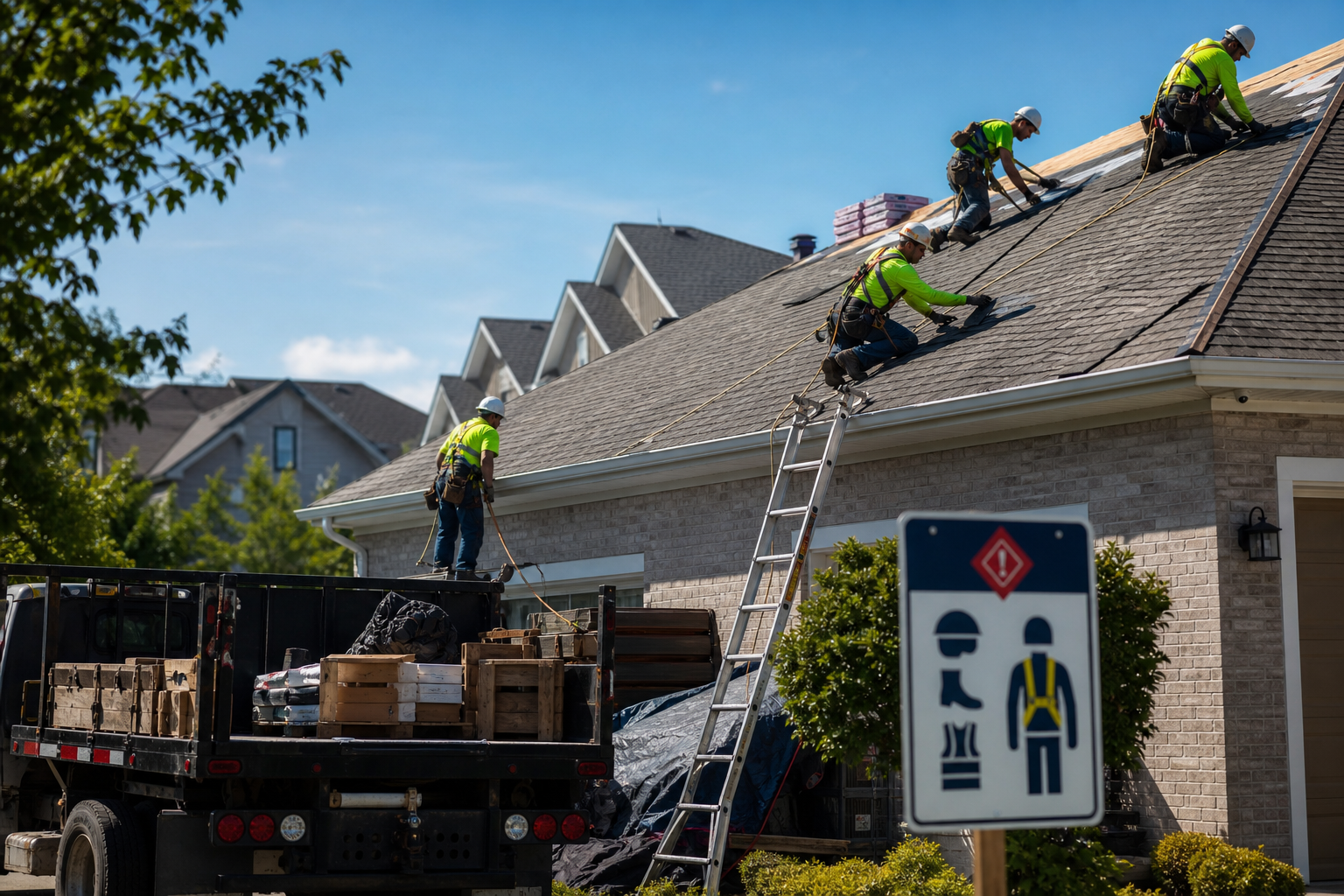
That matters because roofing work is physically demanding. Employees lift materials, climb ladders, kneel on sloped surfaces, and work in extreme Arizona heat. When an injury happens, many owners assume the only options are full duty or complete time away. That creates unnecessary cost. A structured return-to-work plan gives the company a middle path. It helps injured workers recover with dignity while reducing the chance that a short-term injury turns into a long-term loss.
OSHA explains on its return-to-work programs page that early, medically appropriate return-to-work can benefit both employers and employees. The principle is simple. Work that fits a doctor’s restrictions can support recovery and maintain connection to the workplace. For roofing businesses, that can be especially valuable because experienced employees are hard to replace and training new workers is expensive.
The strongest roofing companies do not wait until a claim happens to think about this. They define light-duty options in advance, train supervisors on reporting, and make sure injured employees have a clear path back into the business. That approach is good for claim control, good for morale, and good for long-term insurance results.
How light-duty planning helps roofers control claims and downtime
Once a roofing company understands why return-to-work matters, the next step is building a program that actually works in the field. The biggest mistake many employers make is assuming an injured employee is either fully off work or fully back to normal. In reality, many claims fall in the middle. A roofer may not be ready to climb ladders, carry bundles, or work in full Arizona heat, but that same employee may still be able to perform valuable light-duty work for a temporary period.
That is where a structured plan helps control workers compensation costs. OSHA explains on its return-to-work program guidance that bringing injured employees back with medically appropriate duties can support recovery and reduce the financial and operational impact of injuries. For roofers, that does not mean forcing unsafe work. It means matching tasks to restrictions and documenting the plan clearly.
Useful temporary duties may include:
- Jobsite photo documentation and material counts
- Safety meetings, toolbox talk preparation, and checklist review
- Yard organization, small-tool inventory, and truck restocking
- Permit packet preparation and paperwork support
- Customer communication, appointment confirmation, or office follow-up
These are real tasks that support production without pushing an injured worker back into unsafe physical strain. They also help the company keep valuable employees connected to the business instead of losing them completely during recovery.
Arizona roofers should also pay attention to claim communication. The Industrial Commission of Arizona claims information makes clear that employers need a clean process around injury reporting and coordination. A delayed report, vague job restrictions, or inconsistent follow-up can make a manageable claim harder than it needs to be. The best return-to-work programs therefore connect three pieces: prompt reporting, physician restrictions, and real light-duty options.
This is also where managers can reduce repetition and frustration. Instead of improvising each time, create a short menu of approved temporary tasks by role. That way supervisors are not scrambling after every injury. They already know what modified duty can look like for drivers, warehouse staff, foremen, and field roofers. The cleaner that process is, the easier it becomes to bring employees back safely and consistently.
For PrimeRisk’s audience, this matters because roofing is a high-hazard trade where claim frequency and claim severity can both hurt long-term insurance costs. A return-to-work plan is not a magic fix, but it is one of the clearest ways to show that the company takes recovery seriously while still protecting productivity.
FAQ and annual review steps for safer roofing comp results
Arizona roofing companies do not need a complex corporate program to improve return-to-work results. They need a repeatable one. Start by creating a simple written process before the next claim happens. Identify who reports injuries, who communicates with the doctor or adjuster, who reviews restrictions, and who assigns temporary work. Keep that process offline and easy to access so supervisors can act quickly when an incident occurs.
It also helps to review roofing claims trends once or twice a year. Ask practical questions. Are strains happening on tear-offs? Are slip injuries more common during certain projects? Are injured employees staying out longer because no one defined light-duty options in advance? These answers help a roofer move from reacting to claims toward managing them.
The CDC and NIOSH return-to-work resources reinforce that recovery and work participation are closely connected when employers build appropriate support around restrictions. For Arizona roofers, that support has to be realistic. A modified-duty plan should account for heat, ladder work, balance demands, lifting requirements, and whether the employee can safely be on an active roof at all. If not, the company should already know what off-roof work is available.
A practical annual checklist should include:
- A written injury-reporting procedure for foremen and office staff
- A current list of light-duty tasks that fit common medical restrictions
- Supervisor training on what modified duty can and cannot include
- Regular review of claim trends and injury causes
- An insurance review that connects claims handling to long-term comp costs
This topic is a strong fit for PrimeRisk because it expands roofing content beyond audits, payroll mistakes, and heat safety. It gives Arizona roofers a people-and-process strategy that can improve claim outcomes without repeating earlier titles or themes.
FAQ
What is a return-to-work program for a roofing company?
It is a structured process for bringing an injured employee back to medically appropriate work as soon as it is safe to do so.
Does return-to-work mean sending an injured roofer back on the roof?
No. Modified duty can include office help, yard tasks, safety support, documentation, or other restricted work that fits medical guidance.
Why does return-to-work matter for workers compensation costs?
It can reduce lost-time claims, support recovery, and help control the total cost of an injury over time.
What is one simple first step for Arizona roofers?
Create a written list of light-duty tasks before the next injury happens.
How often should a roofing company review its program?
At least annually and after any significant claim trend or operational change.