
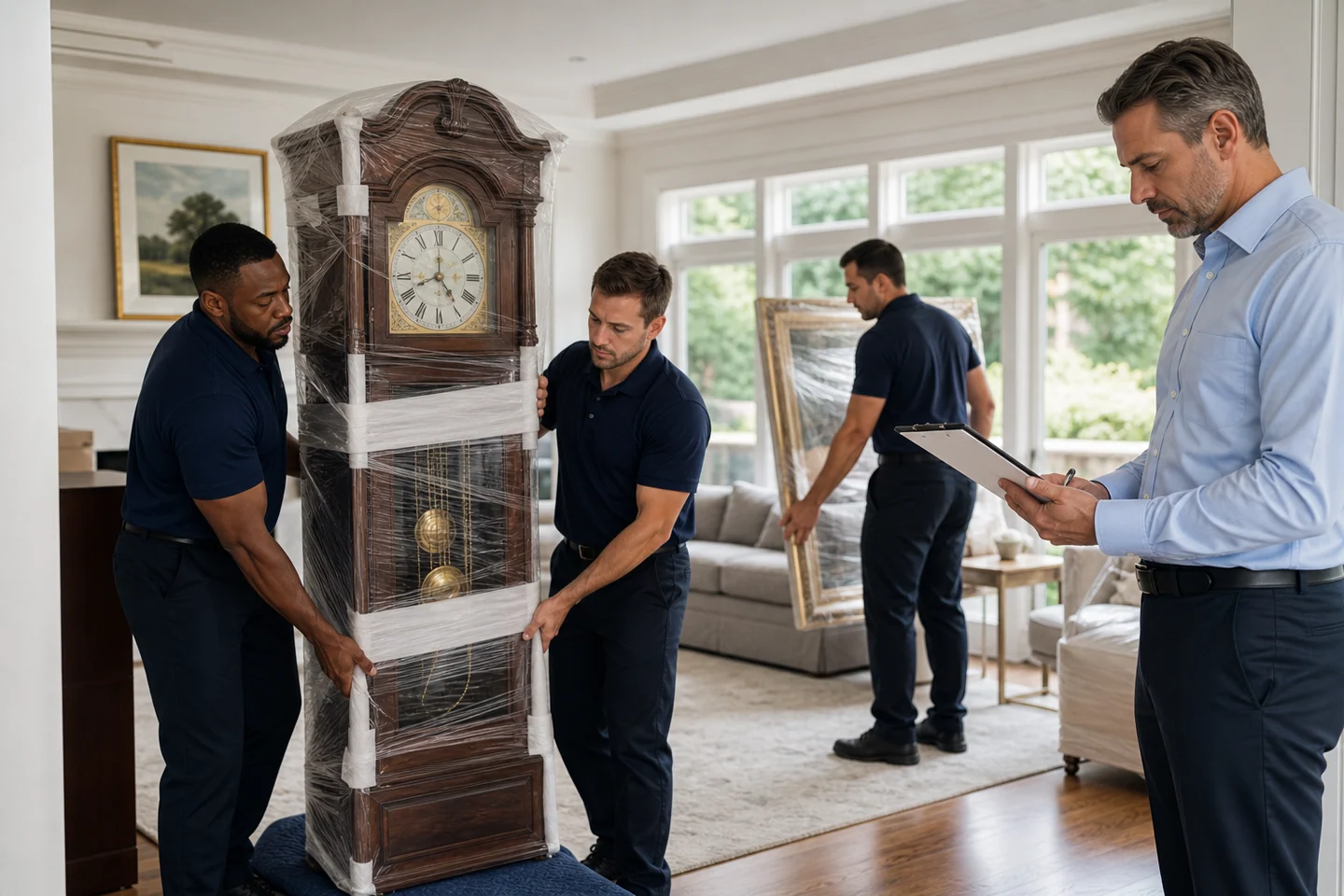
Help movers reduce claims and protect trust when transporting antiques, art, and other high-value household goods.
Why high-value household goods create bigger claim pressure
Moving companies are often judged by what goes wrong with the most valuable items on the truck, not by how many standard boxes arrive without a problem. A scratched antique table, cracked sculpture, damaged grandfather clock, or torn canvas can change the entire tone of a move in minutes. That is why high-value household goods create a different insurance and operations conversation than routine move-day property.
FMCSA notes in its Liability & Protection guidance that movers are responsible for the value of the goods they transport and that interstate moves involve valuation choices such as Full Value Protection and Released Value. FMCSA also defines an extraordinary value or high-value article in its valuation brochure as an item whose value exceeds $100 per pound. That matters because many disputes begin when the customer assumes the mover's protection works one way and the mover has documented something else entirely.
For a moving company, high-value items create pressure in several directions at once. There is the obvious risk of physical damage. There is also the reputational risk that comes from handling a customer's heirlooms poorly. Then there is the claim-handling problem, where incomplete inventory notes, unclear valuation conversations, and rushed packing decisions all make resolution harder after the fact.
This topic is especially useful for PrimeRisk because it turns insurance into something practical. Rather than talking abstractly about liability, it helps movers think about antiques, artwork, pianos, collectibles, and designer furniture in a more disciplined way. That practical framing fits PrimeRisk's brand promise of straightforward, hassle-free protection for hardworking businesses.
Inventory, valuation, and crew controls that reduce claim risk
Once a moving company understands why high-value shipments create outsized claim pressure, the next step is tightening process before loading day starts. High-value claims rarely come from one dramatic mistake alone. More often, they grow out of small preventable gaps: incomplete inventory notes, weak customer expectations, poor packing documentation, or a crew that treats a $12,000 item like a standard piece of furniture.
FMCSA explains in its Understanding Valuation and Insurance Options resource that valuation choices affect the type and amount of reimbursement available if an item is damaged or lost. FMCSA also explains on its Liability & Protection page that interstate movers must offer different valuation options, including Full Value Protection and Released Value. For movers, that means customer communication is not a side issue. It is part of risk control.
A stronger workflow for high-value items should usually include the following:
- Pre-move item review: identify antiques, artwork, clocks, collectibles, custom furniture, musical instruments, or specialty electronics before move day.
- Detailed inventory notes: record condition, dimensions, fragile features, detachable parts, and any existing wear before handling begins.
- Photo documentation: take clear dated photos before packing, after packing, and at delivery for the highest-value pieces.
- Packing standards: use the right materials, crates, padding, and strapping methods instead of adapting general packing habits to specialty items.
- Crew assignment: designate specific team members to handle high-value pieces so responsibility is clear.
- Customer expectations: explain valuation, item preparation, access limits, and any third-party specialty handling needs before the truck arrives.
It also gives PrimeRisk content that fits its straightforward brand voice. PrimeRisk serves practical businesses that want affordable, hassle-free protection, so an article that translates insurance risk into move-day process is more useful than a generic valuation explainer. For Arizona movers trying to improve reviews and reduce disputes, a better high-value workflow is not just a claims strategy. It is a sales and reputation strategy too.
FAQ and annual insurance review for high-value moves
Moving companies do not need a luxury-market brand to improve high-value claim handling. They need a repeatable process that starts before the estimate is finalized and continues through delivery. The best first step is a short internal checklist for high-value items used on every job where one damaged piece could create a major complaint.
A practical annual review should include:
- Review of the most common high-value item complaints or claim patterns
- Updated packing and handling standards for antiques, artwork, instruments, and specialty furniture
- Confirmation that inventory and photo documentation are being stored consistently
- Training for crew leads on valuation discussions and escalation procedures
- Comparison of current operations to liability assumptions and insurance review conversations
FMCSA's Guidance Q&A on Valuation and Insurance is a useful reminder that mover liability protection and a mover's own business insurance are not the same thing. FMCSA also notes in How do I insure my belongings during a move? that customers often confuse valuation protection with separate insurance. That confusion is exactly why movers need cleaner explanations and stronger internal handling when high-value pieces are involved.
FAQ
What counts as a high-value item for a moving company?
High-value items usually include antiques, fine art, collectibles, heirlooms, custom furniture, instruments, and other pieces where one loss can create a large claim.
Why do these items create bigger insurance problems?
Because the financial value is higher, customer expectations are stronger, and even small damage can become a major dispute.
What is one simple first step for movers?
Flag high-value pieces during the estimate, then create detailed inventory notes and photos before packing starts.
Does valuation protection replace careful handling?
No. Clear valuation discussions matter, but better packing, documentation, and crew assignment do more to prevent disputes in the first place.
How often should movers review this issue?
At least annually and any time the company begins handling more antiques, artwork, luxury-home moves, or specialty shipments.