
Roofers Insurance
phoenix roofers
Arizona Contractor
Roofing Contractor Insurance in 2026: The Coverage Every Roofer Needs (and the Gaps That Cost Them)

Kody Houk
Quick answer: Roofing contractors need four core coverages — general liability, workers' compensation, commercial auto, and tools/equipment (inland marine) — usually anchored by a Business Owner's Policy. The most expensive gaps come from low liability limits, misclassified payroll, and missing completed-operations coverage for leaks that surface after the job is done.
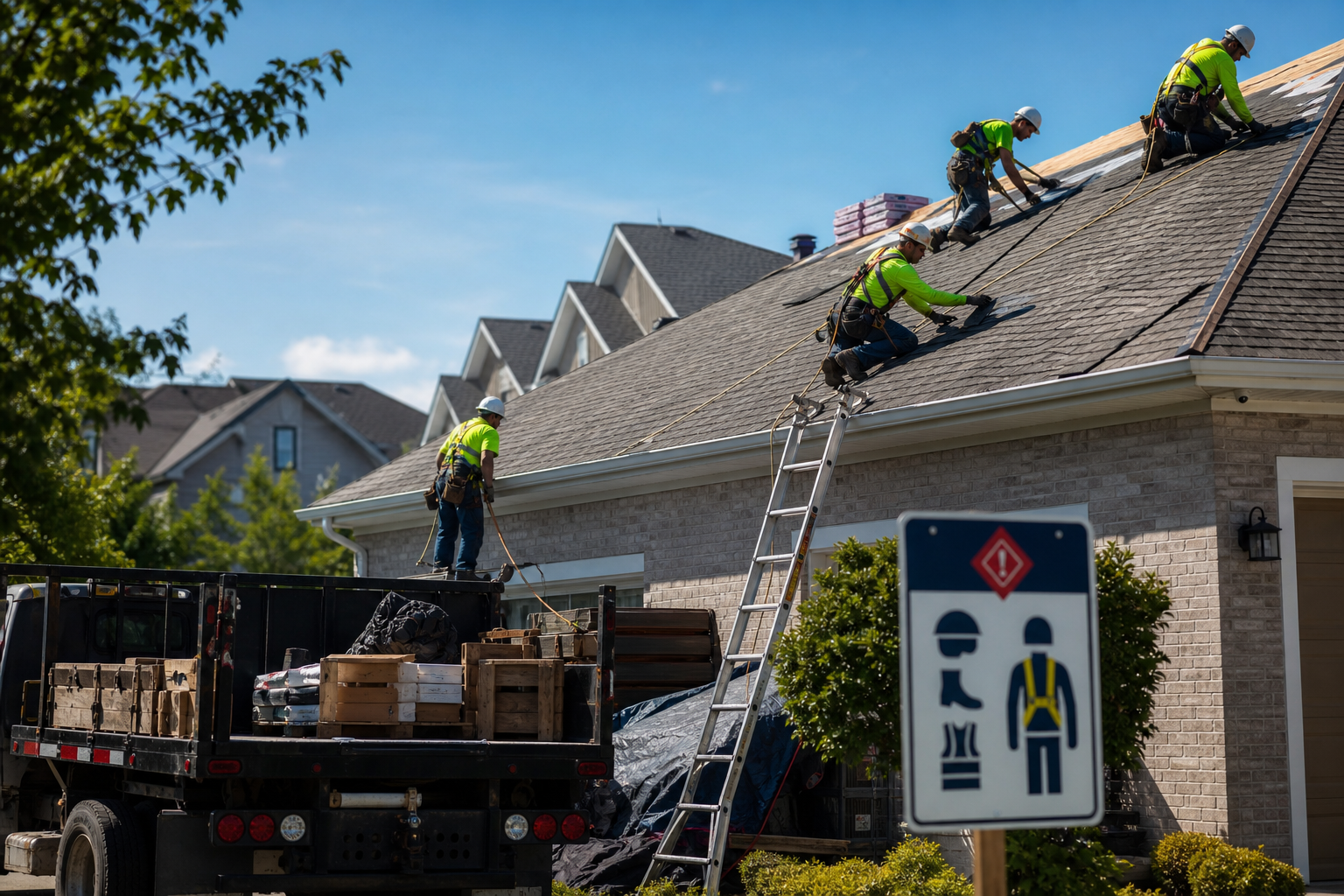
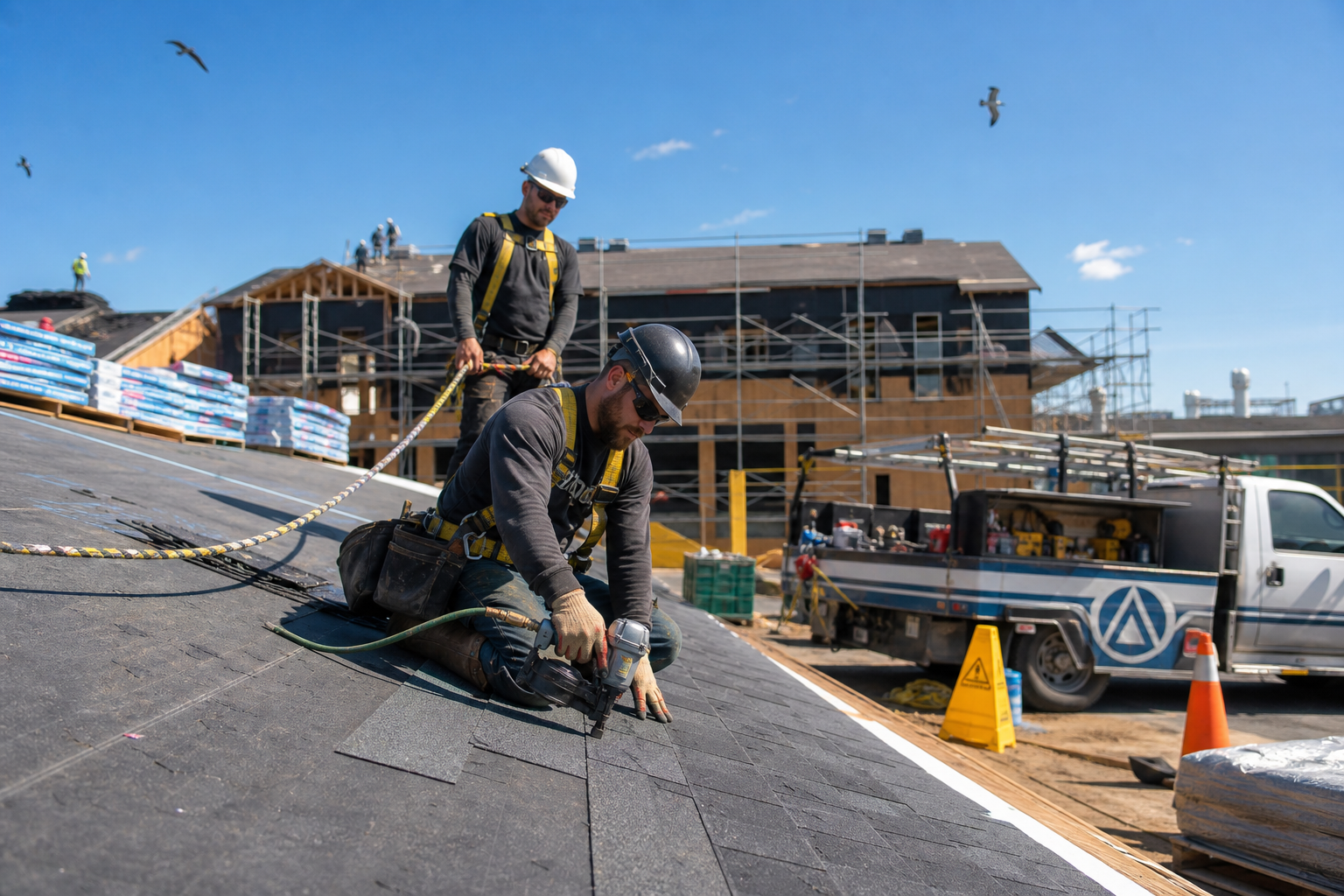
Roofing is one of the highest-risk trades an insurer will write. Crews work at height, on other people's property, often in storm-prone regions, and the work itself can fail months after the last shingle is nailed down. That combination means a roofing insurance program built "to pass the GC's checklist" almost always leaves money — and the business itself — exposed. Here's what actually matters.
What coverages does a roofing contractor need?
Every roofing operation should start with four pillars:
General liability (GL) is the foundation. It responds to third-party bodily injury and property damage — a dropped bundle that damages a customer's car, or water intrusion that ruins a finished interior. Critically for roofers, GL also includes completed operations, which covers claims that surface after the project wraps, like a leak traced back to your flashing detail.
Workers' compensation is the single most important coverage for a roofer. Falls from height drive catastrophic, high-dollar injury claims, and roofing carries one of the highest workers' comp rates in all of construction. In many states a license now requires active workers' comp — even for one-person shops — so this is rarely optional.
Commercial auto covers the trucks hauling crews, materials, and debris. Personal auto policies exclude business use, so a work-truck accident on a personal policy can be denied outright.
Tools and equipment coverage (an inland marine "floater") protects compressors, nail guns, ladders, and other gear in transit or on the jobsite, where standard property policies don't reach.
How much does roofing insurance cost?
Pricing varies widely with revenue, payroll, location, and claims history, but general ranges look like this: general liability commonly runs from 1-3% of gross sales depending on revenue level and safety measures taken, while workers' comp is priced as a percentage of payroll and can land anywhere from roughly 5% to 12% of payroll for high-rated roofing classifications.
The takeaway isn't the number — it's that price is downstream of how your payroll is classified and how your risk is presented. That's where a broker earns their keep.
Where roofers get exposed: the most common coverage gaps
Most roofing programs are built reactively, and that's exactly how gaps form. The recurring ones we see:
Liability limits that are too low for the work. A $1M policy may be fine for residential, but commercial and many GC contracts demand $2M or higher. Win a bigger job, and yesterday's limits quietly become inadequate.
No umbrella/excess layer. A single serious fall or auto loss can blow through primary limits fast. An umbrella is one of the cheapest ways to add meaningful protection.
Payroll misclassification. Putting ground-crew and office staff in the wrong class codes either overcharges you or — worse — creates an audit surprise and a coverage dispute after a claim.
Weak or missing completed-operations coverage. Because roofing failures often appear months later, a policy that lapses or excludes completed operations can leave you personally exposed to your own past work.
Subcontractor risk transfer gaps. If you use subs without collecting certificates of insurance and proper additional-insured/indemnity language, their claims can land on your policy and your loss history.
Key takeaways
- The four pillars: general liability (with completed operations), workers' comp, commercial auto, and tools/equipment coverage.
- Workers' comp is the highest-stakes coverage for roofers because of fall exposure — and is increasingly mandatory to hold a license.
- Match liability limits to the work you're actually bidding; commercial jobs often require $2M+.
- Add an umbrella and verify completed-operations and subcontractor risk transfer — these are the gaps that hurt most.
Frequently asked questions
Q. What insurance is legally required for roofers?
A. Requirements vary by state, but most roofers must carry workers' compensation (often mandatory to hold a contractor license, including for solo operators) and frequently must show general liability and commercial auto to be licensed, bonded, and hired by general contractors.
Q. Why is roofing workers' comp so expensive?
A. Roofing involves constant work at height with a high frequency and severity of fall injuries, so it carries one of the highest workers' comp classification rates in construction. Premium is calculated as a percentage of payroll.
Q. Does general liability cover leaks discovered after the job is finished?
A. Yes — through the completed-operations portion of a general liability policy, provided coverage is in force and not excluded. This is why keeping continuous GL coverage matters even between jobs.
Q. How much liability coverage should a roofing contractor carry?
A. Residential work is often written at $1M per occurrence, but commercial projects and many general-contractor agreements require $2M or more. An umbrella policy is an affordable way to raise total limits.
Q. Do I need separate coverage for my tools and equipment?
A. Usually yes. Tools and equipment are best protected by an inland marine "floater," since standard commercial property coverage typically won't follow your gear to the jobsite or in transit.
---
Bidding bigger jobs, adding crews, or just not sure your limits keep up with your work? PrimeRisk Insurance Solutions specializes in contractor coverage and can run a no-obligation coverage review to find the gaps before a claim does. Reach out to start the conversation.